_edited.png)


Why Goku Always Forgives His Enemies - And What It Says About Him?


If you’ve ever watched Goku fight, you must have realized that he forgives his enemies. This guy literally spares genocidal maniacs like Frieza, befriends former rivals like Vegeta, and even offers mercy to literal Gods of Destruction. But Goku isn’t just being naïve or soft; his habit of forgiving foes reveals something more about his character.
Let’s be real: Goku’s kindness baffles everyone. In a world where villains blow up planets and hunt him down, he still gives them a second chance. But this isn’t a flaw, it’s the key to his strength. Goku’s willingness to forgive stems from his obsession with growth, his childlike view of the world, and a quiet genius that most fans miss.
Goku’s Childhood: Raised To See Good In Everyone

Goku wasn’t born kind, he was made that way. As a baby, he was sent to Earth to destroy it. But a head injury erased his Saiyan programming, and he was raised by Grandpa Gohan, a gentle martial artist who taught him empathy. Unlike Vegeta, who was raised to conquer, Goku learned to value life early on.
This upbringing explains why Goku sees enemies as people first. When he fights Frieza or Cell, he’s not thinking, “I need to kill them.” He’s thinking, “I need to stop them.” For Goku, fighting is a conversation. He wants to understand his opponents, not erase them. That’s why he spares Frieza on Namek. He senses the tyrant’s fear and offers a chance to change.
Strength Through Rivalry: Goku Needs Enemies To Grow

Goku doesn’t just forgive enemies, he keeps them around. Vegeta, Piccolo, Buu; he turns them into allies because he needs strong rivals to push himself. Think about it: every time Goku beats a villain, he hits a plateau. But when he spares them, they come back stronger, forcing him to level up.
This is pure strategy. Goku knows that without rivals, he’ll stagnate. By forgiving Vegeta after the Saiyan Saga, he gains a lifelong training partner. By sparing Moro during their battle, Goku gave him a second chance. Moro later betrayed this mercy, pushing Goku to awaken Perfected Ultra Instinct.
The Dark Side: Goku’s Forgiveness Isn’t Always Right

Let’s not sugarcoat it: Goku’s habit of sparing villains backfires a lot. When he gives Cell a Senzu bean to fight Gohan fairly, it nearly gets his son killed. When he begs the gods to revive Frieza for the Tournament of Power, everyone calls him insane.
But here’s the thing: Goku doesn’t care about right or wrong; he cares about the fight. His forgiveness isn’t driven by justice, it’s driven by curiosity. “How strong can they get?” “What’s their full power?” This makes him a terrible hero but a perfect warrior. He’ll risk the universe for a good scrap, trusting that he’ll win.
Goku Forgives His Enemies Because He Doesn't Understand Evil

Goku’s greatest strength is also his blind spot: he can’t grasp true malice. Raised in the woods without modern morals, he sees the world in simple terms. To him, fighting isn’t good or bad, it’s just fun. Enemies aren’t evil, they’re just strong.
This is why he bonds with Vegeta but struggles with King Kai’s lectures about ethics. Goku forgives his enemies not because he’s noble, but because he can’t hold a grudge. His brain literally resets after a fight. You could blow up his home, kill his friends, and he’ll still ask, “Wanna train later?”
Final Verdict: Goku’s Forgiveness Is Selfish (And That’s Okay)
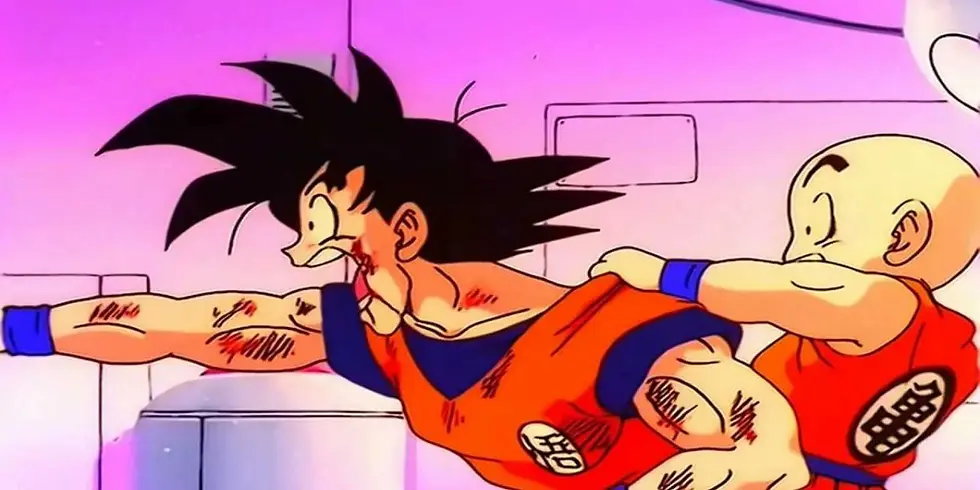
Goku forgives his enemies because it serves him. He keeps the people who challenge him alive, feeds his addiction to growth, and avoids the messy work of being a hero. But here’s the twist: this selfishness makes him the most selfless character in Dragon Ball.
While typical anime heroes fight for truth and justice, Goku fights for the thrill of it. And by forgiving his enemies, he gives them, and himself, a chance to become better.
Release Year | MAL Rating | Animation Studio | Genre | Watch On |
February 1986 | 7.98 | Toei Animation | Action, Adventure |


Comments